of holdings linked to one entry across custodians, managers, and companies
FAMILY OFFICES/A small office with institutional reach
Evaluate more deals, oversee every holding, and report to the family with confidence.
Lameh gives family offices one view of what the family owns and a record of its decisions that passes from one generation to the next.
Request demo
hours returned to the team each month in preparing the consolidated view
more companies examined in diligence by the same team
From what the family owns to why it owns it, the office’s work kept whole.
One view of what the family owns
With Ontology, holdings recorded by different custodians, managers, and companies are linked to the entities and instruments they describe. The office sees who owns what across listed shares, private companies, and funds.
Ontology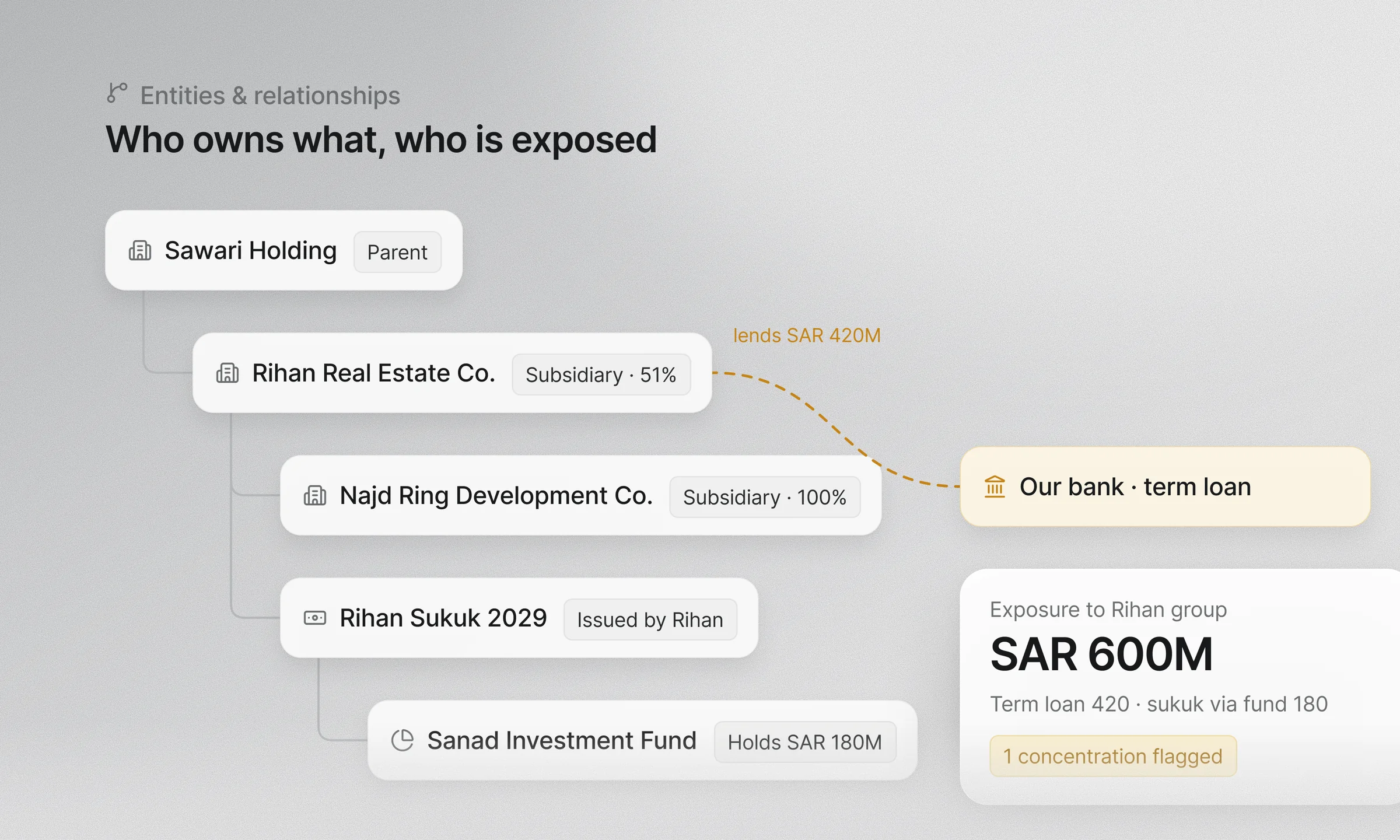
Diligence on listed and private companies
Proprietary Data holds one record per company, with financial statements for listed and unlisted companies on the same taxonomy and ownership linked entity to entity. A small team examines a partner or a target from figures linked to their filings.
Proprietary Data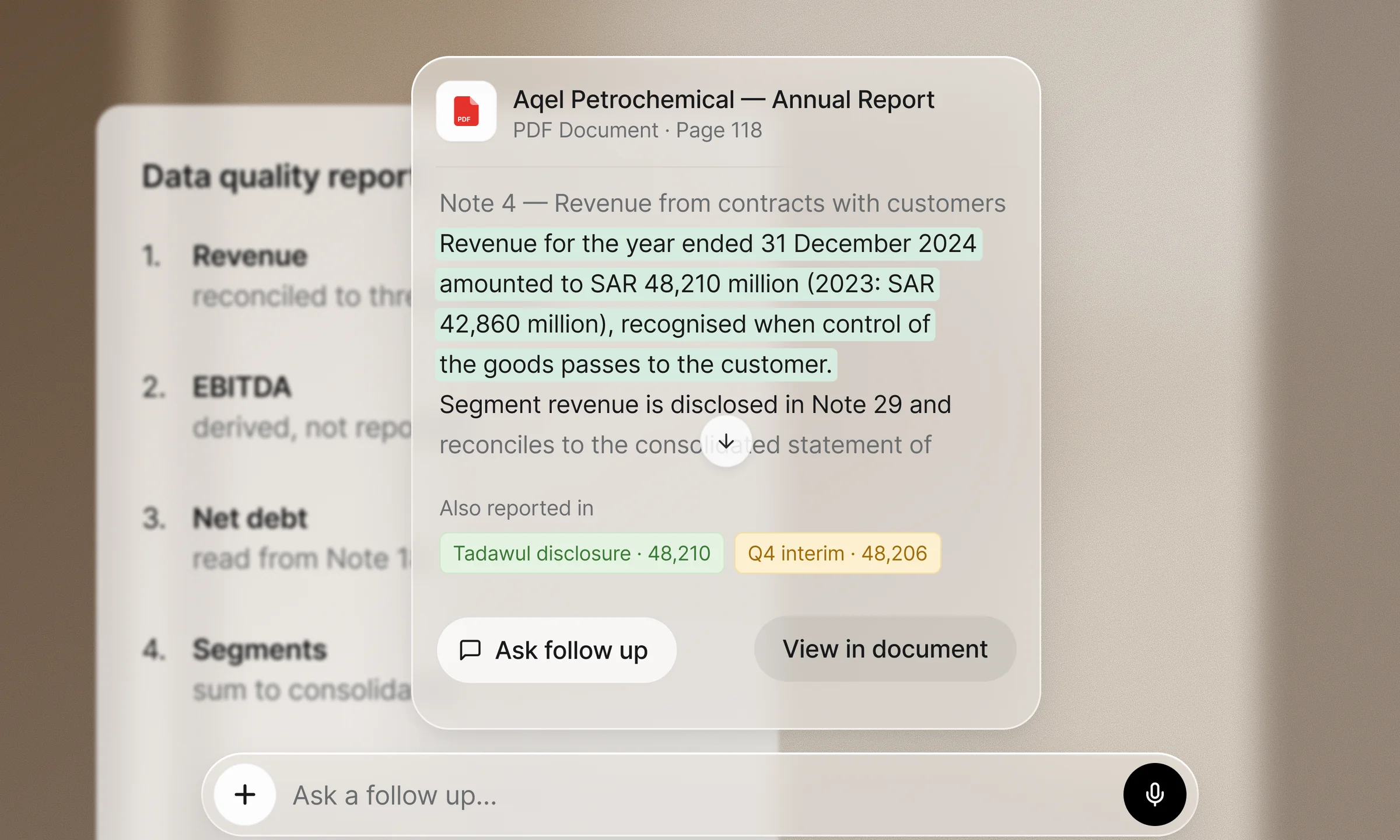
Reasoning that passes to the next generation
Institutional Record captures each decision as it is made, with its owner, evidence, alternatives, and reasoning. When an advisor or a principal steps back, the grounds for every position remain with the office.
Institutional Record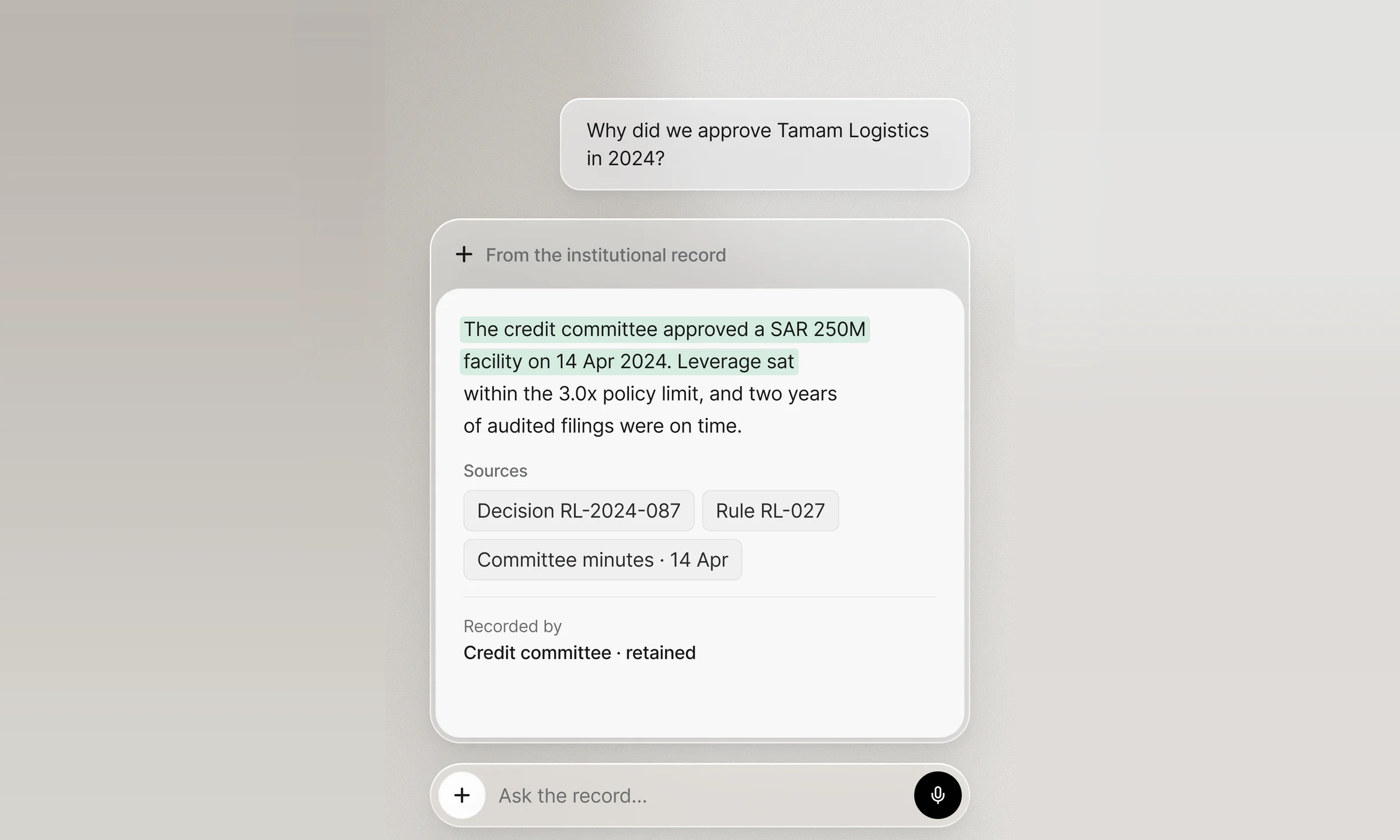
Explore the suite of products
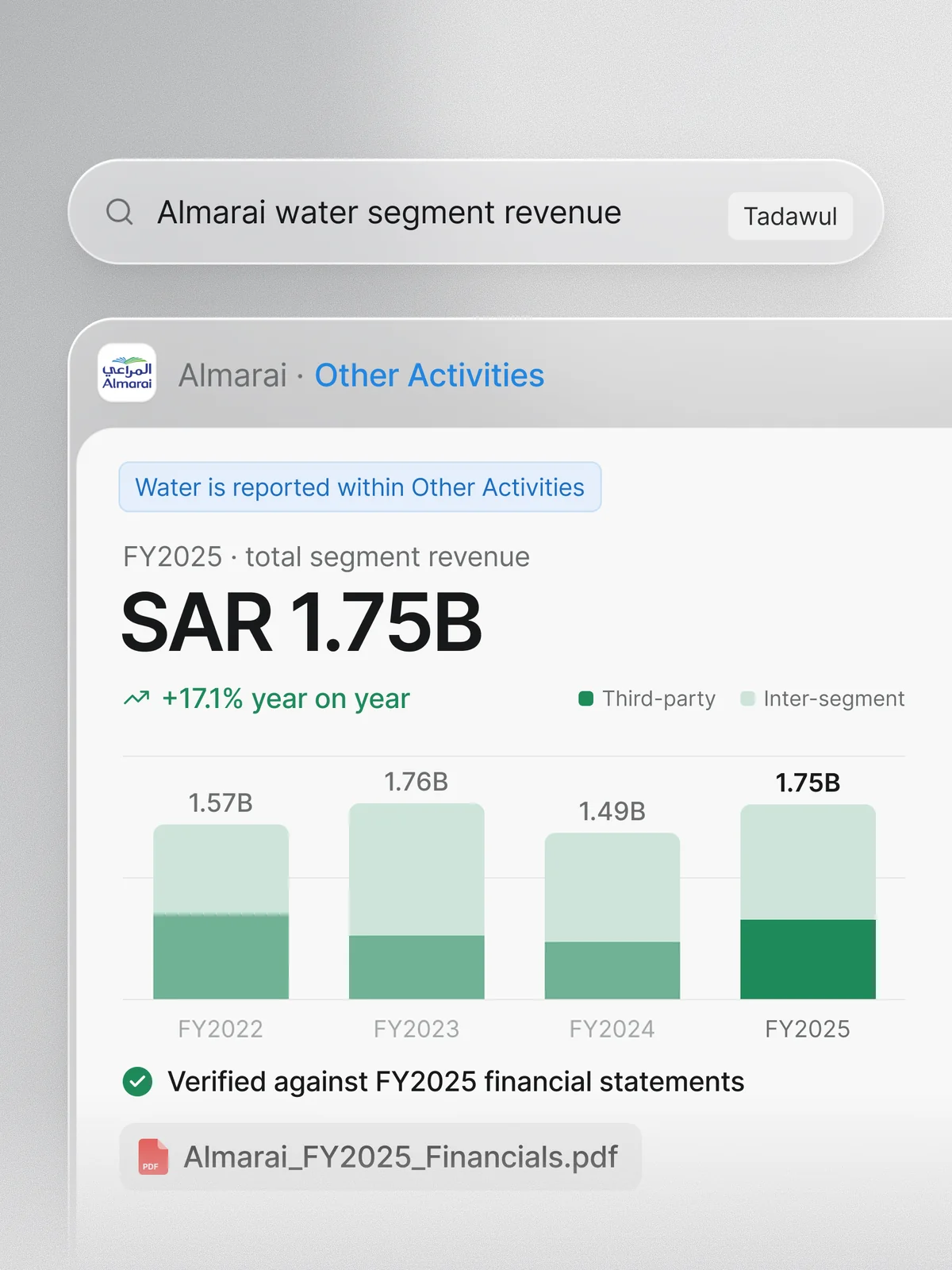
Proprietary Data
Verified, granular data on the region’s companies, markets, and economy, with each figure linked to the source that published it.
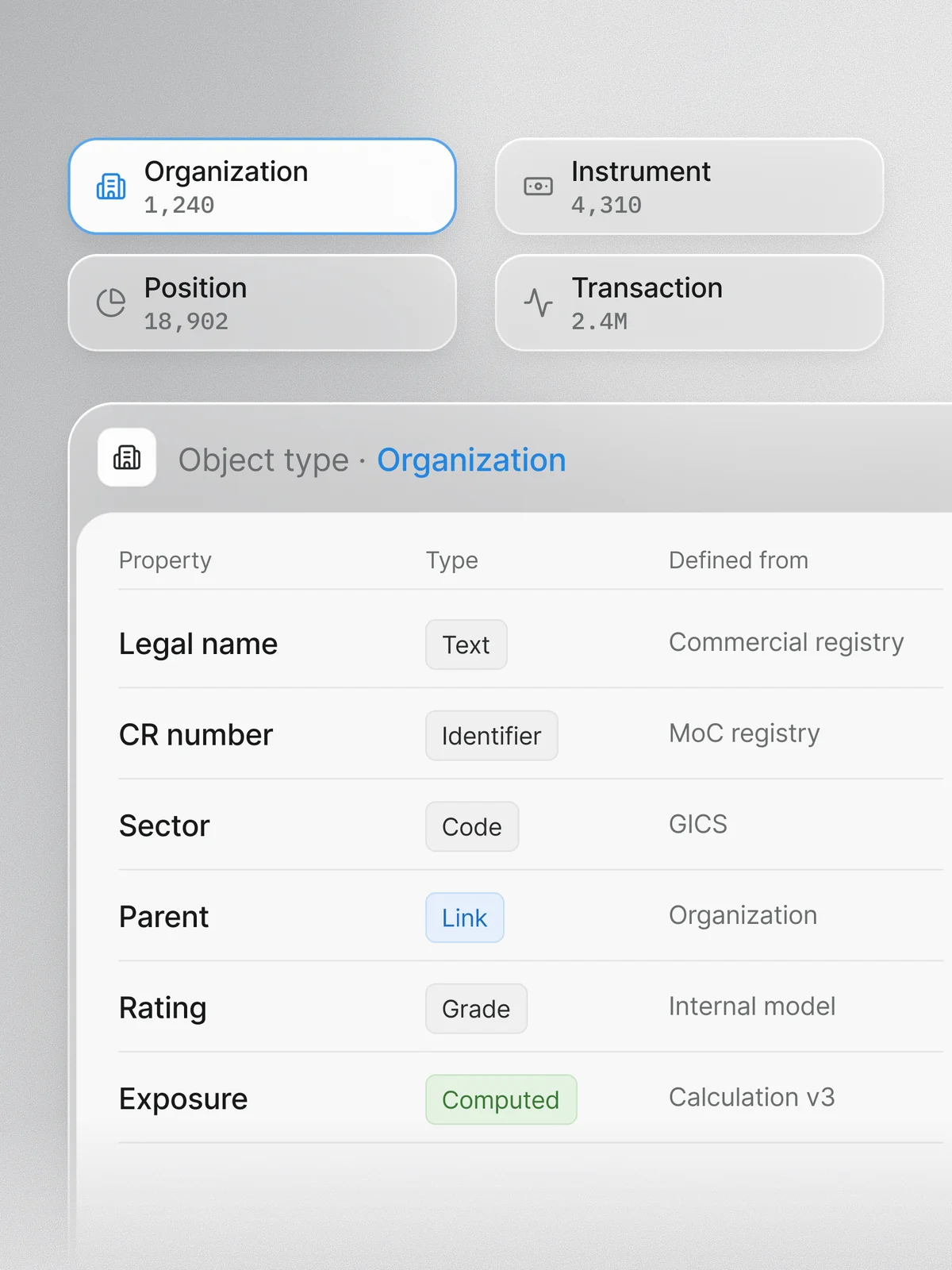
Ontology
One shared definition of the organizations, instruments, positions, and transactions the institution works with.
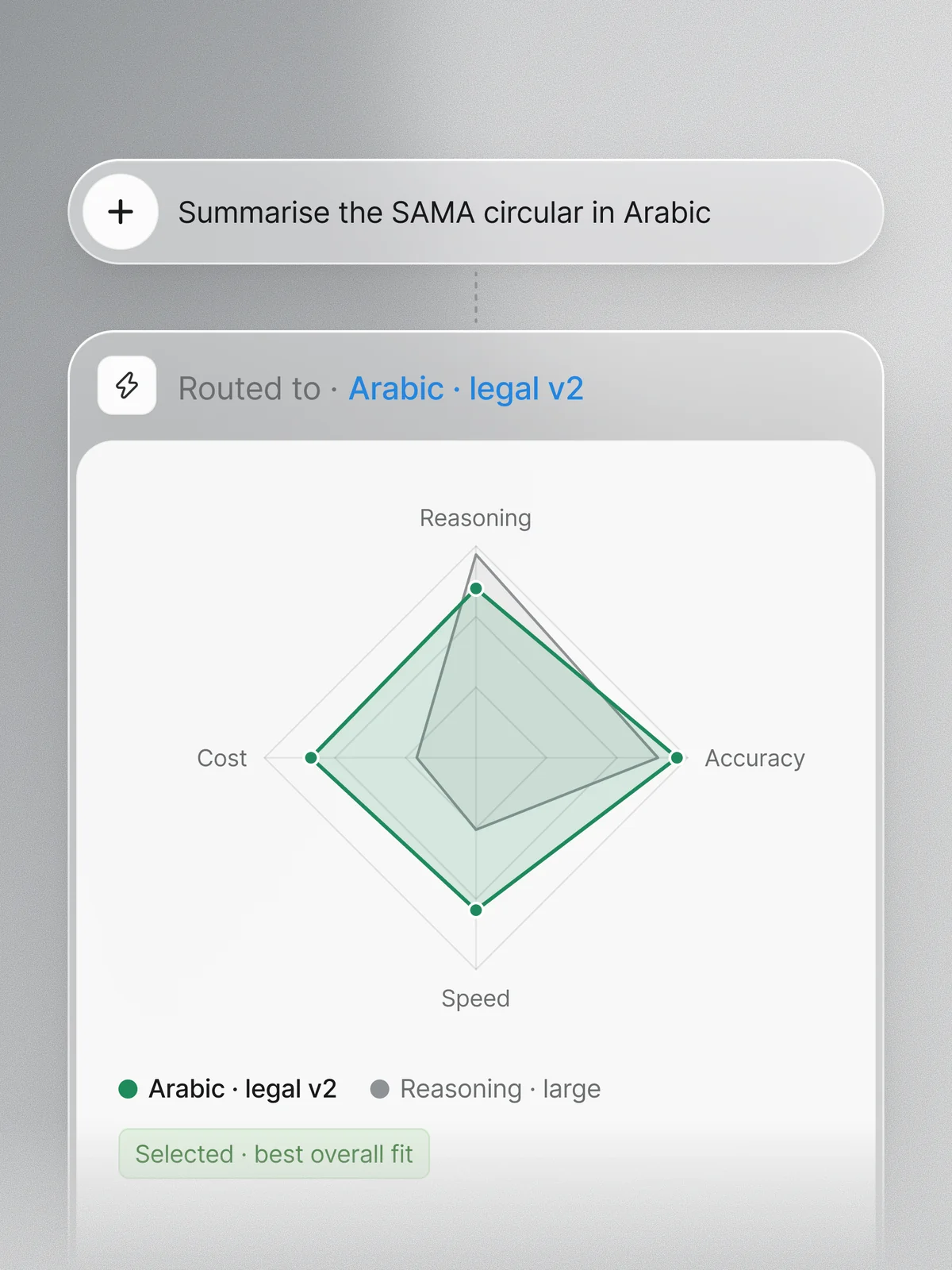
Model Routing
Each prompt routed to the model best suited to it, weighing reasoning, accuracy, speed, and cost.
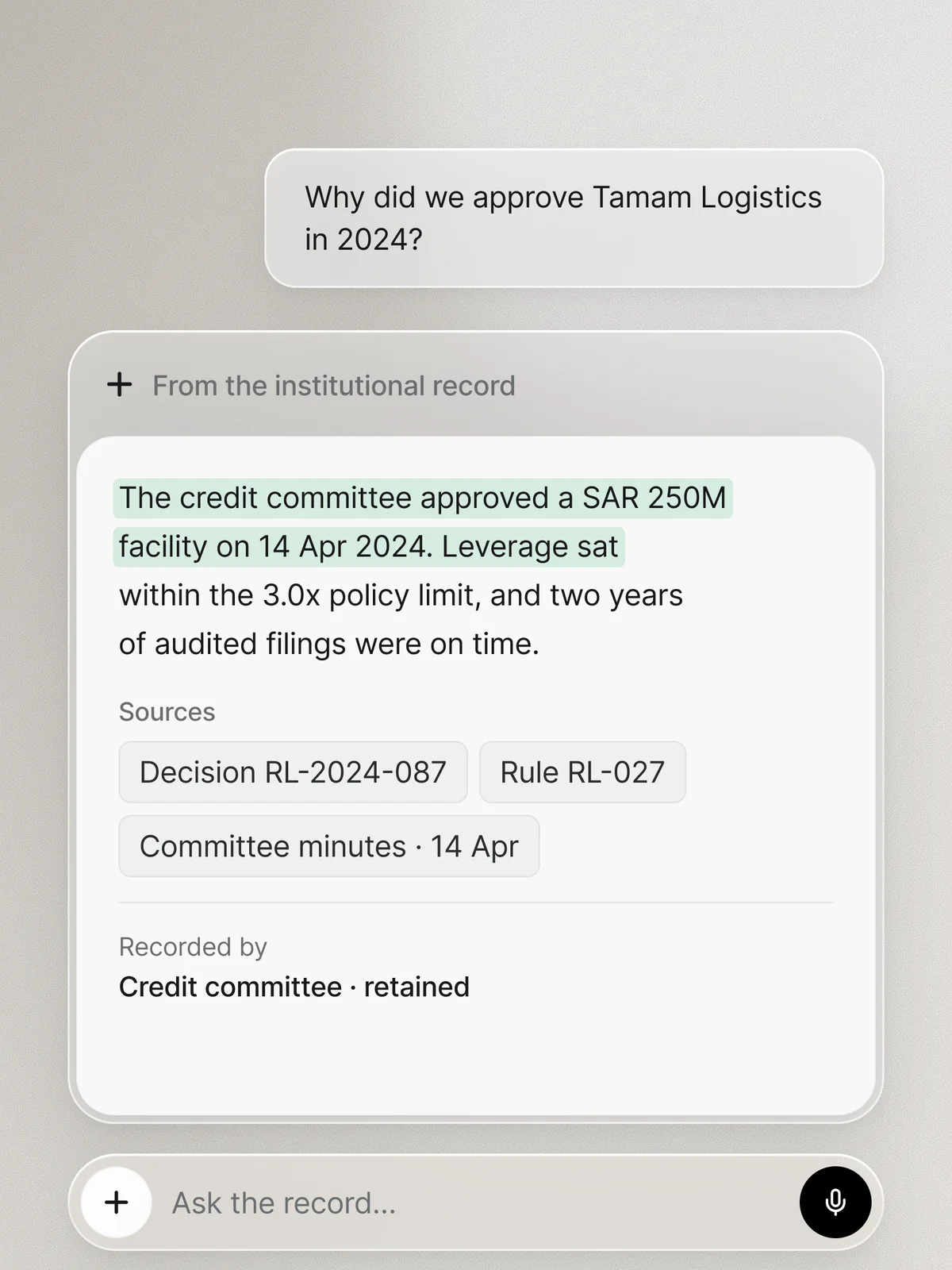
Institutional Record
Decisions, knowledge, and working methods recorded as the work happens and retained by the institution.
FAQ
How are holdings recorded by different custodians brought together?
Each organization, instrument, and position is defined once and mapped to its records in every source system, and the links between them are kept, including who owns what.
Does the data cover unlisted companies?
Yes. Unlisted companies have income statements, balance sheets, and cash flows mapped to the same taxonomy as listed issuers, with partners’ shares and related-party transactions linked entity to entity.
What remains with the office when an advisor leaves?
Every entry in the record remains. Each one is attributed, dated, and linked to its sources, so a successor can read the grounds for a position and build on it.
How does Lameh verify the figures it provides?
Each figure is read from the official source that published it, kept as reported, and linked to the document it came from. Where a figure appears in more than one source, the values are reconciled.
How does Lameh work with the systems we already use?
Lameh links the records held in separate systems to the organizations, instruments, positions, and transactions they describe. Each is defined once and mapped to its records in every source system.
How are changes proposed by an AI model controlled?
Changes are made through defined actions, each with its conditions, approvers, and log. A limit increase follows the same approval path whether a person or an AI model proposes it.
Does the institution depend on a single AI model?
No. Each prompt is routed to the model best suited to it, weighing reasoning, accuracy, speed, and cost, and new models enter the routing as they are released.
Continuity for the family’s capital
One view of what the family owns and a single attributed record of what your office decided and why, held independently of who advises it.
Request demo